
Falconry Bells
Falconry bells facilitate the falconer to trace the bird during hawking. Several falconers depart the bells on the bird at all times while some only fasten bells when they are hunting. The decision to select the size of the bell is very important because bells are some bulky and buzzing the metal near the feet of the hawk can be uncomfortable for the bird, on the other hand very tiny can be heard, when nearby the bell. Some falconers pretend that their bird will fly so high, as to be out of hearing range so they will not use the bells. Pick a bell for your bird wisely, not with the thoughts that larger will ring loudly. Certainly, two bells with little different tones are more useful than larger bells because you will identify off tone being carry further and will be able to locate them easily than two identical tone larger bells. Bird will feel annoying, when you first fasten the bells to it, you can handle it by fasten tape on slit to dampen the sound initially.
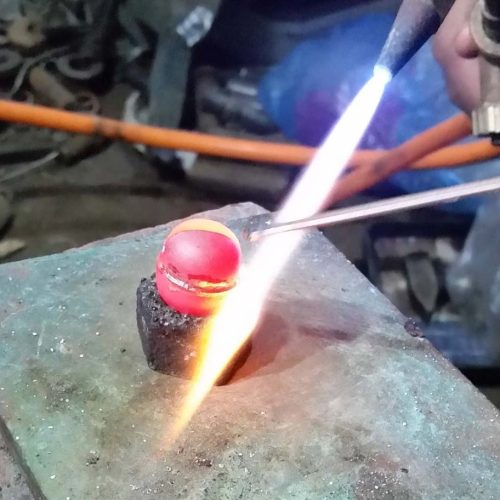
Never ever use any bell which is not made for falconry because bells for other animals have a wide slit and that bell can trap a bird’s beak or talon and can hurt your bird. A bird can easily fracture its beak if trapped in the slit of the other bell. If you buy a good quality well-made falconry bell, it will work for years. In the long run the pin points of the clapper in the bell will be blunt, which will create cracks in the metal of the bell and eventually it will lose its sound. This process can be slow downed by a process called annealing, and this is done by the way to heating the bell by propane torch or by stove being careful not to melt any of the soldering of the bells. When the bell become red and have a soft glow from the heat, it should be dunked in water. Annealing process is best for brass, German silver or nickel steel alloys do not need this. Normally during using the bells on your bird, dirt can get caught in the bells, which can result silence of the bells. You should remove the bells from your bird and boil them in the hot water to release alien materials, blast of spray air and carburetor cleaner can be beneficial for it. For maintaining its polish, you may dip it in vinegar. Traditionally, bells are tied with the legs of the birds but you may attach them in three main points i.e., leg, tail or to the neck.
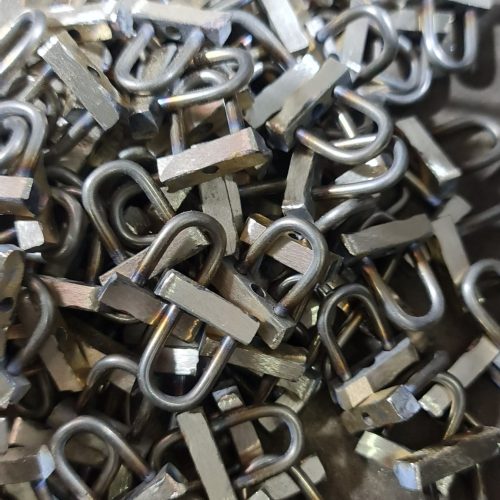
The accurate falconry swivel is crucial for a safe, proper practice. A falconer must opt appropriate size, type and good material made swivel for his bird for the tethering system in use and a falconer must have the knowledge of rotten that appears with time so that it can be replaced well in advance of any risk of collapse. We offer all sorts of Stainless-Steel Swivels, each in a diversity of sizes.